
BEGINNINGS
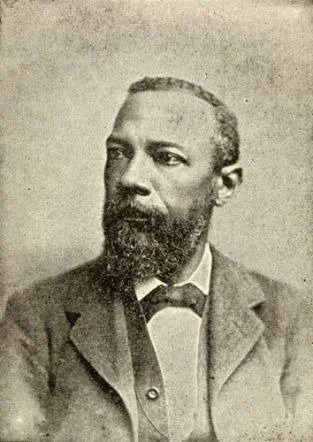
Jacob C. White, Jr., Founder of Lebanon Cemetery
Source: “Evidences of Progress Among Colored People: Philadelphia” by G.F. Richings, 1902
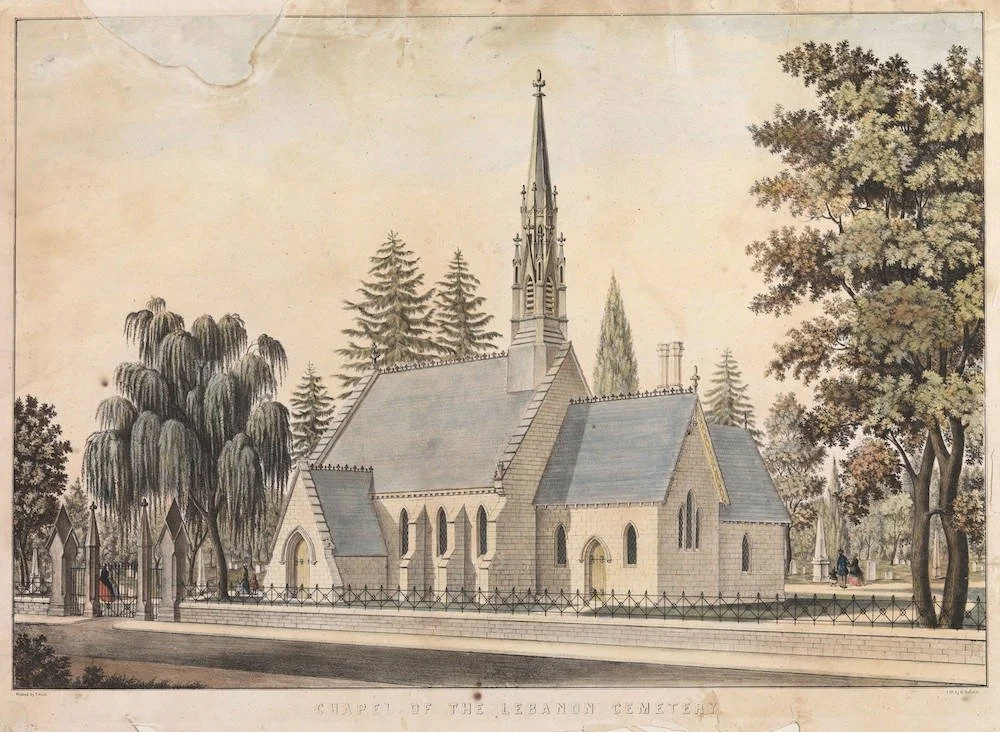
“Chapel of the Lebanon Cemetery” by G. Dubois, 1850 | Source: The Library Company of Philadelphia
Lebanon Cemetery, once the final resting place for some of Philadelphia’s most prominent African American citizens, has long disappeared from both city maps and a population’s consciousness. Founded in 1849 by Jacob C. White, one of Philadelphia’s wealthiest and most prominent African-American citizens, it was once at city’s southern edge, easily accessible to mourners who could not afford more rural cemeteries and one of two public African American cemeteries in the city–Olive Cemetery, also incorporated in 1849, was located at the intersection of Girard and Belmont Avenues in West Philadelphia. Several hundred African American soldiers were buried at Lebanon in a lot reserved specifically for veterans of the Civil War.
As the Philadelphia streets pressing against the cemetery’s edges were cut through—the 1892 expansion of McKean Street, for instance, knocked off the cemetery’s rear corner—Lebanon began to shrink. With few other burial grounds that welcomed African Americans, the remaining space became ever more cramped. By 1900, the cemetery had dropped from its original 11 acres to less than six.
When the Philadelphia Bureau of Health ordered the cemetery to be closed in January 1901, they deemed it a “sanitary necessity” that should apply to all cemeteries in the built-up sections of the city that had reached their capacity. Once considered a healthy distance from the city, the cemetery had become a perceived menace (and was also blocking the way to the proposed development of Girard Estates). Lebanon’s companion on Passyunk Avenue, Philadelphia Cemetery, was similarly ordered closed in 1903. That year, those buried at Lebanon were moved to Eden Cemetery in Collingdale, Delaware County.
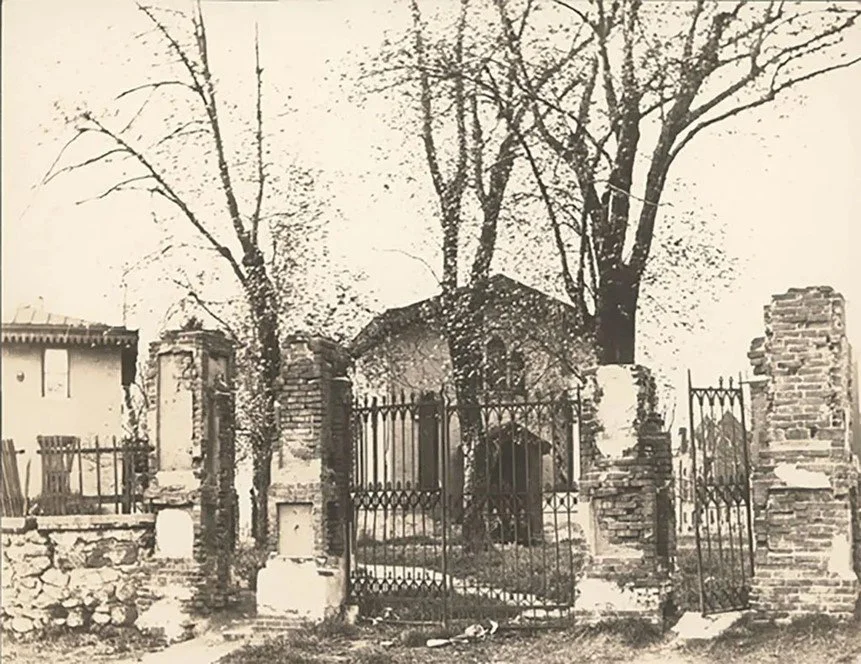
The Chapel at Olive Cemetery, an African American Cemetery that was located at Girard and Belmont Avenue established February 1849. Source: Library Company of Philadelphia Digital Collection.
Olive Cemetery, established in 1849, was one of the city's largest African-American-administered business enterprises, but it was condemned in 1899 and closed in 1903. The former locations of both cemeteries are now part of the city's modern landscape, with no markers or historical markers to commemorate their existence.
The creation of the Eden Cemetery Company was a collaborative effort to provide a sanctuary in the Philadelphia area where African Americans could be buried with dignity and respect. Founded at the height of Jim Crow, six years after Plessy v. Ferguson, Eden Cemetery is Philadelphia's African American answer to a burial crisis created in the community, due to segregation, urban expansion, public works projects, vandalism, condemnation, and the closure of earlier Black burial grounds and cemeteries. Having a dignified place for burial was a long-standing challenge to African Americans due to racism, but by the end of the 19th century the situation in Philadelphia grew even more dire with the closures of Lebanon and Olive cemeteries and the enactment of municipal ordinances that in effect prohibited the creation of new African American cemeteries within City limits.
Opened in 1902, Eden represented an African American agency to address these problems by establishing a new cemetery in suburban Delaware County on fifty-three acres that were part of Bartram Farm, and as a "collection cemetery" for dislocated earlier black burial grounds and cemeteries. This move was not fraught without challenges. On August 12, 1902, Collingdale's white residents blocked the entrance to the cemetery, protesting "a colored burial ground" in their community. Authorities of the borough delayed the funeral for hours. The Delaware County community protested against its opening with a court injunction. The headline in the August 13th, Chester County Times read: "Collingdale Has More Race Troubles, Town Council Has No Use for a Colored Funeral, No African Need Apply." When a compromise was finally reached, Eden was able to have its first burial on August 14, 1902.
The cemetery quickly became a beacon of community pride and representation of African American heritage through the designation of its cemetery sections. An example of this is the John Brown section, which became the chosen resting place for many United States Colored Troops and Frances Ellen Watkins Harper, who viewed John Brown as an important friend and hero. Today, Eden is an exceptional monument to the national African American civil rights story and to Philadelphia's 7th Ward, whose many residents are buried there. The lives of those interred span from 1721 to the present, making it the oldest continuously operating African American cemetery in the North. Learn more about the “Citizens of Eden” at Eden Stories on this site…
Historic Eden Cemetery is listed in the National Register of Historic Places, is a part of the National Park Service Underground Railroad to Network to Freedom, a member of the Pennsylvania Hallowed Grounds and a member of the Association for the Study of African American Life and History.
Founders of The Eden Cemetery Company
John C. Asbury (1862-1941) Jerome Bacon (1857-1913)
Charles W. Jones (1859-Unknown)
Martin J. Lehmann (1859-1924) Daniel W. Parvis (1839-1923)